ProMind Complex Review 2026: An Independent, Evidence-Based Look
Last updated: November 2026 · Independent review · No testimonials, no paid placement
Looking for an honest ProMind Complex review? Most pages ranking for this product repeat the sales page. This one does not. In November 2026 we opened the official ProMind Complex page, read the Supplement Facts panel line by line, recorded the prices and the guarantee, and compared every dose with published research, mainly from the U.S. National Institutes of Health and Cochrane reviews. We did not personally test the product, and we do not publish invented testimonials.
The short answer
ProMind Complex is a memory supplement with a fully disclosed label, and that label is identical, dose for dose, to SonoVive, a product sold for hearing. Its main ingredient is St. John's wort, which interacts with many common medicines, and most other ingredients sit well below the amounts used in memory studies. No clinical trial of ProMind Complex has been published. New or worsening memory problems deserve a medical assessment, because several causes are treatable.
▶ Check today's price on the official website
Affiliate link: we may earn a commission at no extra cost to you.
Key takeaways
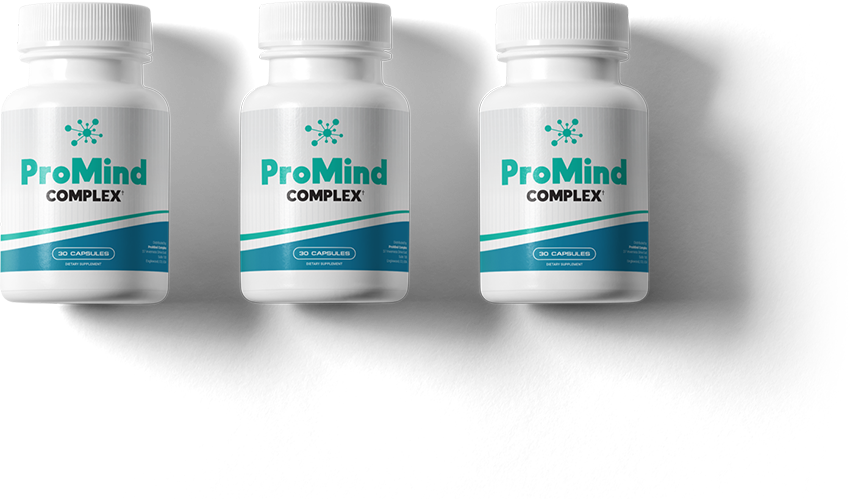
- ProMind Complex comes as capsules, 30 per bottle; the label says one capsule once or twice a day with meals, so a bottle lasts 15 to 30 days.
- The label discloses every dose: St. John's wort 250 mg, L-glutamine 150 mg, phosphatidylserine 4% complex 125 mg, Bacopa monnieri 120 mg, ginkgo 50 mg, acetyl-L-carnitine 50 mg, vinpocetine 2 mg and huperzine A 10 mcg.
- The formula is the same as SonoVive's, sold under a different name, with a different claim and a different distributor.
- Main safety point: St. John's wort can weaken birth-control pills, blood thinners and transplant, HIV and heart medicines, and can cause serotonin syndrome with antidepressants; huperzine A should not be combined with dementia medicines.
- Price verified on the official page: $69 for one bottle, $177 for three and $294 for six, with free shipping and a 60-day money-back guarantee.
Contents
- At a glance
- What it is
- Claims vs. what we verified
- Label Check table
- Ingredients, one by one
- Does it work?
- The research in detail
- Understanding memory changes
- How a professional assesses it
- Medication interaction checker
- Practical self-care
- Is it right for you?
- Side effects
- Complaints
- Is it legit or a scam?
- How to trial it fairly
- Price, guarantee and refunds
- Where to buy safely
- Canada, UK and Australia
- Compared with similar products
- Evidence-based alternatives
- Pros, cons and verdict
- FAQ
ProMind Complex at a glance
- Format: capsules, 30 per bottle
- How it is used: one capsule once or twice a day, preferably with meals
- Main claim: supports memory, recall and brain health
- Label transparency: full doses published for all eight ingredients
- Guarantee: a 60-day money-back guarantee, empty bottles accepted
- Seller: sold through the official website, with ClickBank as the retailer; distributed from Englewood, Colorado
- Pricing: $69 for 1 bottle, $177 for 3, $294 for 6, free shipping
- Our evidence rating: Weak; finished product untested; high interaction risk
What is ProMind Complex?
ProMind Complex is a dietary supplement in capsule form, sold through a text sales page at promindcomplex.com. The page is written in the voice of "Carl Henderson", described as a professor of psychology in Austin, Texas, who shares six memory tips before presenting the formula. We could not verify that person or any academic post, and the page shows no study of the product. The bottle is distributed by "ProMind Complex" from Englewood, Colorado.
Named ingredients: St. John's wort, L-glutamine, phosphatidylserine, Bacopa monnieri, ginkgo biloba, acetyl-L-carnitine, vinpocetine and huperzine A. The other ingredients are bovine gelatin (the capsule), microcrystalline cellulose, vegetable magnesium stearate and silicon dioxide, and the label carries a soy allergen warning.
The same label as SonoVive
When we compared the Supplement Facts panels on the two official websites in November 2026, ProMind Complex and SonoVive listed the same eight ingredients at the same doses, the same suggested use, the same other ingredients and the same caution text. The sales pages also share the same layout, prices and 60-day guarantee. Only the name, the story and the promise change: SonoVive is sold for hearing, ProMind Complex for memory. Our SonoVive review covers the hearing side.
How ProMind Complex is marketed, and what we could verify
The claim: a formula "perfected after many trials" by a professor of psychology.
What we found: We could not verify the professor, and no trial of the product is published. The same formula is sold under another name for a different condition.
The claim: the six memory tips on the page, such as sleep, avoiding smoking and alcohol, and mnemonics.
What we found: These tips are broadly reasonable and supported by research. They are the most useful part of the page, and they cost nothing.
The claim: the formula includes "Vincopetine".
What we found: The ingredient is vinpocetine; the misspelling on the sales page is a small sign of how carefully it was prepared.
ProMind Complex Label Check: label vs. research
We read the Supplement Facts panel published on the official ProMind Complex website in November 2026. One capsule is one serving, and each bottle holds 30 servings.
| Ingredient (per capsule) | On the label | Typical amount in memory studies | Evidence for memory |
|---|---|---|---|
| St. John's wort (flower) | 250 mg | Not studied for memory; about 900 mg a day for low mood | None for memory |
| L-glutamine | 150 mg | Not studied for memory | None |
| Phosphatidylserine 4% complex | 125 mg (about 5 mg of phosphatidylserine) | 100 to 300 mg of phosphatidylserine a day | Limited; dose far below studies |
| Bacopa monnieri extract (leaf) | 120 mg | About 300 mg a day of standardised extract | Small benefits in some trials |
| Ginkgo biloba (leaf) | 50 mg | 120 to 240 mg a day of standardised extract | Did not prevent dementia in large trials |
| Acetyl-L-carnitine HCl | 50 mg | 1,500 to 3,000 mg a day | Limited; dose far below studies |
| Vinpocetine (seeds) | 2 mg | 15 to 30 mg a day in older studies | Insufficient |
| Huperzine A (aerial parts) | 10 mcg | 100 to 400 mcg a day | Mixed; dose far below studies |
Doses in the table are per capsule; at the maximum label dose of two capsules a day, double them. Typical study amounts are approximate ranges from published research summarised by NIH and Cochrane sources; they are not dosing advice.
What the numbers mean
Bacopa, the ingredient with the best memory evidence, is present at 120 to 240 mg a day, below the roughly 300 mg used in most positive trials. Phosphatidylserine, acetyl-L-carnitine and huperzine A are at a small fraction of studied doses. The ingredient closest to an active amount, St. John's wort, has no memory benefit and the most interaction risk.
ProMind Complex ingredients, one by one
Research on single ingredients is not proof that a finished product works, but it shows what is plausible and what is not.
Bacopa monnieri
What it is: An Ayurvedic herb marketed for memory. What the research shows: Several small trials and meta-analyses report modest improvements in some memory and attention tests after 8 to 12 weeks at about 300 mg a day of standardised extract. Safety: Nausea, stomach cramps and loose stools are common; it may slow the heart rate.
Ginkgo biloba
What it is: A leaf extract widely sold for memory. What the research shows: In the Ginkgo Evaluation of Memory study, a large NIH-funded trial in more than 3,000 older adults, 240 mg a day did not prevent dementia or slow cognitive decline. Safety: May increase bleeding risk, especially with blood thinners.
Huperzine A
What it is: A compound from Chinese club moss that blocks the breakdown of acetylcholine, like some dementia medicines. What the research shows: Mixed results, mostly from small studies, at 100 to 400 mcg a day; ProMind Complex provides 10 to 20 mcg. Safety: Should not be combined with donepezil, rivastigmine or galantamine, and may slow the heart rate.
Phosphatidylserine and acetyl-L-carnitine
What they are: A phospholipid found in brain cell membranes and an amino-acid compound. What the research shows: Small studies in older adults at 100 to 300 mg and 1,500 to 3,000 mg a day, with limited and inconsistent benefits; the amounts here are a small fraction. Safety: Generally well tolerated; the complex contains soy lecithin.
Vinpocetine
What it is: A compound made from an alkaloid of the periwinkle plant. What the research shows: A Cochrane review found insufficient evidence to support its use for dementia. Safety: In 2019 the FDA warned that vinpocetine may cause miscarriage and harm fetal development.
St. John's wort
What it is: A herbal remedy studied for mild to moderate low mood. What the research shows: No evidence for memory. Safety: NIH's NCCIH warns that it interacts with many medicines, including birth-control pills, warfarin, cyclosporine, HIV and some cancer drugs, digoxin and antidepressants; it can cause sensitivity to sunlight.
L-glutamine
What it is: An amino acid. What the research shows: No research for memory at this dose.
Dose transparency
ProMind Complex deserves credit for printing every dose. Those doses are what show that most ingredients are present at token amounts.
Does ProMind Complex work?
There is no published clinical trial of ProMind Complex. Its best-supported ingredient, bacopa, is below the dose used in most positive trials, ginkgo failed to prevent decline in a large trial, and the rest are at small fractions of studied amounts. Based on the label and the evidence, we would not expect a noticeable effect on memory.
The evidence in one line per ingredient
- Bacopa monnieri: Modest benefits in trials at higher doses.
- Ginkgo biloba: No prevention of decline in a large trial.
- Huperzine A, phosphatidylserine, acetyl-L-carnitine: Limited evidence; doses far below studies.
- Vinpocetine: Insufficient evidence.
- St. John's wort, L-glutamine: No evidence for memory.
What realistic results look like
Everyday forgetfulness varies with sleep, stress, mood and attention, so it is easy to credit a supplement for a good week. A fair trial needs a baseline and a clear end point, described below.
▶ See the official price and guarantee
Affiliate link: we may earn a commission at no extra cost to you.
The research on memory supplements, in detail
The NIH's National Center for Complementary and Integrative Health concludes that no dietary supplement has been shown to prevent or slow dementia or age-related cognitive decline. The largest trials point the same way: the Ginkgo Evaluation of Memory study found no benefit from ginkgo over about six years, and trials of omega-3 fatty acids and of vitamin E in people without deficiency have not shown that they protect memory.
Bacopa monnieri has the most encouraging results among herbs, with meta-analyses reporting small improvements in some memory and attention scores in healthy adults. The trials are short, use standardised extracts at around 300 mg a day, and do not show protection against dementia.
In contrast, several lifestyle factors have consistent evidence. The 2024 Lancet Commission on dementia estimated that close to half of dementia cases may be linked to modifiable risks such as hearing loss, high blood pressure, physical inactivity, smoking, diabetes, depression, social isolation and high LDL cholesterol.
Understanding memory changes: the bigger picture
Some slowing of memory with age is normal: it may take longer to recall a name, but it comes back later. Mild cognitive impairment is a step beyond that, with memory problems that are noticeable to others but do not stop you from managing daily life. Dementia is a decline that affects independence.
Many causes of memory problems are treatable: vitamin B12 deficiency, an underactive thyroid, depression, poor sleep or sleep apnoea, hearing loss, heavy drinking, and side effects of medicines such as some sleeping pills, antihistamines and bladder medicines.
Warning signs that need a doctor
- Getting lost in familiar places or repeating the same questions.
- Trouble managing money, medicines or appointments that you used to handle easily.
- Changes in personality, mood or judgement noticed by family.
- Sudden confusion, which can be a sign of infection, a stroke or a medicine problem and needs urgent care.
Myths and facts about memory
- Myth: A pill can restore a youthful memory. Fact: No supplement has been shown to do this in high-quality trials.
- Myth: Memory decline is unavoidable. Fact: Exercise, blood-pressure control, hearing care and social activity are linked to lower dementia risk.
How a professional assesses memory problems
A doctor usually begins with your history and an account from someone who knows you well, reviews your medicines, and uses a short memory test. Blood tests often include vitamin B12, thyroid function, blood sugar and kidney function. Depending on the results, they may check hearing and mood, arrange a brain scan, or refer you to a memory clinic for detailed testing.
ProMind Complex medication interaction checker
Because ProMind Complex contains St. John's wort, it carries more interaction risk than most hearing supplements. These medicine groups need a check with your doctor or pharmacist before you start:
| If you take | Relevant ingredient in ProMind Complex | What to do |
|---|---|---|
| Antidepressants (SSRIs, SNRIs), triptans, tramadol | St. John's wort | Avoid the combination: risk of serotonin syndrome |
| MAO inhibitors | St. John's wort | Do not use; the label itself says so |
| Birth-control pills, patches or rings | St. John's wort | May make them less effective; ask your doctor |
| Warfarin, other blood thinners, antiplatelet drugs | St. John's wort, ginkgo, vinpocetine | Avoid unless your doctor agrees; the label warns about bleeding |
| Transplant drugs (cyclosporine, tacrolimus), HIV medicines, some cancer drugs | St. John's wort | Do not use; it can lower blood levels of these drugs |
| Digoxin and some heart medicines | St. John's wort, huperzine A | Ask your doctor first |
| Dementia medicines (donepezil, rivastigmine, galantamine) | Huperzine A | Avoid the combination |
| Seizure medicines, or a history of seizures | Label warning (ginkgo, St. John's wort) | Do not use without your neurologist's approval |
The label also advises stopping 2 to 3 weeks before surgery or dental procedures.
Practical self-care for memory
What helps regardless of supplements
- Stay physically active; regular aerobic exercise is linked to better memory and lower dementia risk.
- Keep blood pressure, blood sugar and cholesterol under control.
- Get your hearing checked and use hearing aids if you need them.
- Protect your sleep, and ask about sleep apnoea if you snore and feel tired.
- Stay socially and mentally engaged; learning new skills helps.
- Use the techniques on the sales page that cost nothing: mnemonics, reading aloud, and teaching what you learn to someone else.
Is ProMind Complex right for you?
Skip it or ask a doctor first if any of these apply
- You take any prescription medicine, especially antidepressants, blood thinners, birth-control pills, heart, transplant, HIV, cancer, seizure or dementia medicines.
- You are pregnant, could become pregnant, are trying to conceive or are breastfeeding.
- You have a bleeding disorder, a history of seizures or surgery planned in the next few weeks.
- You are under 18.
- You have a soy allergy or avoid bovine gelatin.
- Your memory problems are new, getting worse or noticed by others; see a doctor first.
It may be reasonable to consider if
- You take no regular medicines, have had treatable causes ruled out, and understand that the evidence for this formula is weak.
ProMind Complex side effects
We found no published safety study of ProMind Complex itself, so possible side effects come from its ingredients and the label warnings:
- St. John's wort: sensitivity to sunlight, stomach upset, dizziness, dry mouth, restlessness; many drug interactions.
- Ginkgo: headache, stomach upset; possible bleeding risk.
- Bacopa: nausea, cramps, loose stools.
- Vinpocetine: headache, flushing, stomach upset; not for use in pregnancy.
- Huperzine A: nausea, sweating, slow heart rate.
How to report a side effect
- United States: the FDA's MedWatch program.
- Canada: the Canada Vigilance Program (MedEffect Canada).
- United Kingdom: the MHRA Yellow Card scheme.
- Australia: the Therapeutic Goods Administration.
- Always tell your doctor or pharmacist as well.
ProMind Complex complaints
Testimonials on the sales page are chosen by the seller, and complaints posted online usually cannot be verified. Based on the label and the page, these are the issues we would expect:
- No noticeable change in memory, which is consistent with the doses.
- A bottle that runs out early: it is sold as a 30-day supply, but at two capsules a day it lasts 15 days.
- Interaction problems for people on medicines, because of St. John's wort.
- Buying two "different" products without realising that ProMind Complex and SonoVive share the same formula.
Is ProMind Complex legit or a scam?
ProMind Complex is a real product with a published label, a ClickBank checkout and a 60-day refund policy, so it is not a scam in the sense of taking money for nothing. Our concerns are the unverifiable creator story, the weak evidence at these doses, the interaction risk from St. John's wort, and the fact that the same formula is sold under another name for a different condition. The main buying risk is copycat sites and marketplace listings without the guarantee.
Marketing red flags to watch for
- An expert creator who cannot be verified.
- The same formula marketed for different conditions.
- Inflated "value" prices, such as $99 a bottle.
How to trial ProMind Complex fairly
- See a doctor first if your memory is getting worse, and ask about B12, thyroid, sleep, hearing and medicines.
- Show the label to your pharmacist and check your medicines against St. John's wort, ginkgo, vinpocetine and huperzine A.
- Record a baseline: a simple memory task, such as recalling a list of 10 words after 10 minutes, and how often you forget appointments.
- Buy one bottle and finish your trial inside the 60-day guarantee.
- Repeat the same task after six to eight weeks and decide before day 60.
ProMind Complex price, guarantee and refunds
Price verified on the official page (November 2026). ProMind Complex comes in bottles of 30 capsules. The order page lists three packages, all with free shipping:
| Package | Per bottle | Total listed | Shipping |
|---|---|---|---|
| 1 bottle (sold as a 30-day supply) | $69 | $69 | Free |
| 3 bottles (sold as a 90-day supply) | $59 | $177 | Free |
| 6 bottles (sold as a 180-day supply) | $49 | $294 | Free |
The "supply" figures assume one capsule a day; at two capsules a day each bottle lasts 15 days. The page offers a 60-day money-back guarantee and says refunds are given even if the bottles are empty. ClickBank processes the payment. Prices can change, so confirm the total at checkout.
How to request a refund
- Find your order number in the ClickBank confirmation email.
- Contact ProMind Complex support or ClickBank within 60 days of purchase.
- Follow any return instructions, using tracked shipping.
- If you get no response, contact ClickBank support directly with your order number.
Where to buy ProMind Complex safely
Buy only from the official website or its authorised ClickBank checkout. Listings on Amazon, Walmart, eBay or in pharmacies are third parties that may be counterfeit, expired or stored badly, and are usually not covered by the guarantee.
How to spot an unofficial seller
- Websites that copy the official page and redirect to a different checkout.
- Prices far below the official price.
- No ClickBank receipt after payment.
Buying ProMind Complex in Canada, the UK or Australia
Check the shipping cost and delivery time at checkout, and allow for possible import duties.
Canada
Natural health products sold in Canada normally carry an NPN licence number; ProMind Complex is sold from the US and we found no Canadian licence.
The UK
Products containing St. John's wort are regulated in the UK, and the MHRA warns about its interactions; tell your GP or pharmacist before using it.
Australia
Complementary medicines sold in Australia are listed with the TGA; ProMind Complex is sold from the US and we found no Australian listing.
ProMind Complex compared with similar products
We compare only products whose labels we have checked on their official pages.
| Product | Format | Doses published | Guarantee |
|---|---|---|---|
| ProMind Complex | Capsules | Yes, all eight ingredients | 60 days |
| SonoVive | Capsules, same label | Yes, identical | 60 days |
| CogniCare Pro | Capsules | Vitamins yes; herbal blend hidden | 90 days |
How to compare any two products
- Is the full label with doses published?
- Do the doses match those used in research?
- Do any ingredients interact with your medicines?
- How long is the guarantee and who processes refunds?
- Does the marketing promise cures or fast results?
Evidence-based alternatives to ProMind Complex
| Option | Strength of evidence | Best for |
|---|---|---|
| Medical check for treatable causes (B12, thyroid, sleep, mood, medicines) | Strong | Anyone with new or worsening memory problems |
| Regular aerobic exercise | Moderate to strong | Memory and dementia risk |
| Blood-pressure control | Strong for dementia risk | Adults with high blood pressure |
| Hearing aids when needed | Moderate | Adults with hearing loss |
| Memory strategies and cognitive training | Moderate | Everyday forgetfulness |
Pros, cons and our verdict
Pros
- Every dose is printed on the label.
- Free shipping on every package and a one-time payment.
- 60-day money-back guarantee, empty bottles accepted.
- The free memory tips on the sales page are sensible.
Cons
- Identical formula to SonoVive, sold for a different condition.
- Bacopa and other memory ingredients are below studied doses.
- St. John's wort brings serious interaction risks and no memory benefit.
- Unverifiable creator story.
- A bottle lasts only 15 days at the maximum label dose.
Our verdict
We cannot recommend ProMind Complex. Its transparent label shows a formula that is under-dosed for memory and anchored by a high-interaction herb, and the same capsules are sold elsewhere as a hearing supplement. If memory worries you, a medical check for treatable causes, regular exercise, good sleep and hearing care are far better investments.
▶ Check the official ProMind Complex website and current pricing
Affiliate link: we may earn a commission at no extra cost to you.
Read our affiliate disclosure.
Frequently Asked Questions
Does ProMind Complex really work?
There is no published clinical trial of ProMind Complex. Its best-supported ingredient, bacopa, is below the dose used in most positive trials, and ginkgo failed to prevent cognitive decline in a large NIH-funded trial.
What are the ingredients in ProMind Complex?
Per capsule: St. John's wort 250 mg, L-glutamine 150 mg, phosphatidylserine 4% complex 125 mg, Bacopa monnieri extract 120 mg, ginkgo biloba 50 mg, acetyl-L-carnitine 50 mg, vinpocetine 2 mg and huperzine A 10 mcg.
Is ProMind Complex the same as SonoVive?
On the labels published on both official websites in November 2026, yes: the same eight ingredients at the same doses, the same directions and the same warnings. ProMind Complex is sold for memory and SonoVive for hearing.
Are the doses disclosed?
Yes. Every dose is printed on the label, which shows that most ingredients are well below the amounts used in memory studies.
Is ProMind Complex safe?
Not for everyone. St. John's wort interacts with many medicines, including antidepressants, birth-control pills, blood thinners and transplant, HIV and heart drugs, and huperzine A should not be combined with dementia medicines. The label warns against use in pregnancy, breastfeeding, bleeding disorders, seizures and under age 18.
What are the side effects of ProMind Complex?
Possible side effects come from its ingredients: sun sensitivity and stomach upset from St. John's wort, nausea and loose stools from bacopa, bleeding risk from ginkgo, and a slow heart rate from huperzine A.
Can I take ProMind Complex with donepezil or other dementia medicines?
No. Huperzine A works in a similar way to these medicines and should not be combined with them. Ask your doctor before taking any memory supplement if you are on dementia treatment.
How do you take ProMind Complex?
The label says one capsule once or twice a day, preferably with meals.
How long does a bottle of ProMind Complex last?
A bottle holds 30 capsules: 30 days at one a day, or 15 days at the label's maximum of two a day.
How much does ProMind Complex cost?
On the official page in November 2026: $69 for one bottle, $177 for three and $294 for six, all with free shipping.
What is the ProMind Complex refund policy?
The official page offers a 60-day money-back guarantee and says refunds are given even for empty bottles. ClickBank processes the refund.
Is ProMind Complex a scam?
It is a real product with a published label and a refund policy. Our concerns are the unverifiable creator, the low doses, the interaction risk and the same formula being sold as SonoVive.
Who is Carl Henderson?
The ProMind Complex sales page presents Carl Henderson as a professor of psychology in Austin, Texas. We could not verify this person or any academic position.
Is ProMind Complex FDA approved?
No. The FDA does not approve dietary supplements.
Where can I buy ProMind Complex?
Through the official website and its ClickBank checkout. Marketplace listings are third parties and are usually not covered by the guarantee.
Can ProMind Complex prevent dementia?
No. No supplement has been shown to prevent or slow dementia. Exercise, blood-pressure control, hearing care and treating depression and diabetes are linked to lower risk.
Does bacopa improve memory?
Some trials report small improvements in memory tests at about 300 mg a day of standardised extract for 8 to 12 weeks. ProMind Complex provides 120 to 240 mg a day.
What do ProMind Complex reviews leave out?
Most ProMind Complex reviews online repeat the sales page. They rarely mention that the label is identical to SonoVive's or that its main ingredient, St. John's wort, has serious drug interactions.
When should I see a doctor about memory problems?
See a doctor if memory problems are new, getting worse or noticed by others, and urgently for sudden confusion.
Is there a better alternative to ProMind Complex?
For most people, a medical check for treatable causes, regular exercise, good sleep, blood-pressure control and hearing care do more for memory than any supplement.
How we reviewed ProMind Complex
We opened the official ProMind Complex page through our affiliate link in November 2026, recorded the prices and guarantee, and read the Supplement Facts panel published on the site. We compared it with the SonoVive label on its own official site, and compared each dose with research summarised by NIH's NCCIH, the NIH Office of Dietary Supplements and Cochrane reviews. See how we review supplements and our editorial policy.
Sources & further reading
- NCCIH: Cognitive decline and complementary approaches
- NCCIH: St. John's Wort
- National Institute on Aging: Memory problems
- FDA: Dietary supplements
- DeKosky ST et al. Ginkgo biloba for prevention of dementia (GEM study). JAMA, 2008.
- Livingston G et al. Dementia prevention, intervention, and care: 2024 report of the Lancet standing Commission. The Lancet, 2024.
