SonoVive Review 2026: An Independent, Evidence-Based Look
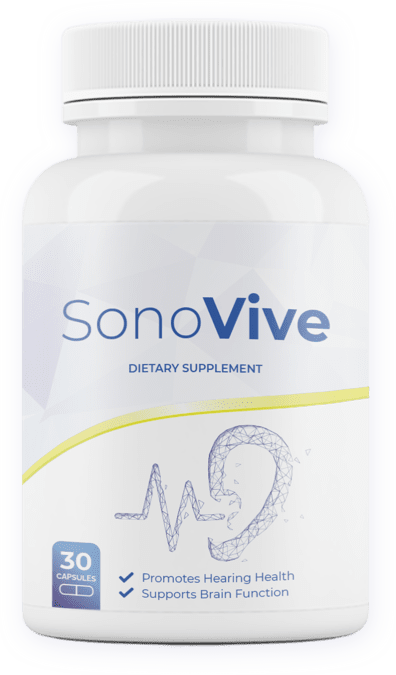
Last updated: November 2026 · Independent review · No testimonials, no paid placement
Looking for an honest SonoVive review? Most pages ranking for this product repeat the sales page. This one does not. We opened the official SonoVive page in November 2026, read the Supplement Facts panel line by line, recorded the prices and the guarantee, and compared every dose with published research, mainly from the U.S. National Institutes of Health. We did not personally test the product, and we do not publish invented testimonials.
The short answer
SonoVive is a capsule supplement with a fully disclosed label: eight ingredients, each with its dose. That transparency is its best feature. The problem is what the label shows: the main ingredient is St. John's wort, an herb with a long list of serious drug interactions, and most of the other doses sit well below the amounts used in studies. No clinical trial of SonoVive itself has been published, and the two ingredients tested directly for tinnitus, ginkgo and St. John's wort, did not beat placebo. If you take any prescription medicine, talk to your doctor or pharmacist before you consider it.
▶ Check today's price on the official website
Affiliate link: we may earn a commission at no extra cost to you.
Key takeaways
- SonoVive comes as capsules, 30 per bottle; the label says one capsule once or twice a day with meals, so a bottle lasts 15 to 30 days.
- The label discloses every dose: St. John's wort 250 mg, L-glutamine 150 mg, a phosphatidylserine complex 125 mg, Bacopa monnieri 120 mg, ginkgo 50 mg, acetyl-L-carnitine 50 mg, vinpocetine 2 mg and huperzine A 10 mcg.
- Main safety point: St. John's wort can weaken birth-control pills, blood thinners, transplant, HIV and heart medicines, and can cause serotonin syndrome with antidepressants.
- The label itself warns against use with bleeding disorders, seizures, MAO inhibitors, pregnancy, breastfeeding and in anyone under 18.
- Price verified on the official page: $69 for one bottle, $177 for three, $294 for six, with free US shipping and a 60-day money-back guarantee.
- Persistent tinnitus or hearing loss should be assessed by an audiologist or ENT doctor first; treat any supplement as an optional extra.
Contents
- At a glance
- What it is
- Claims vs. what we verified
- Label Check table
- Ingredients, one by one
- Does it work?
- The research in detail
- Understanding tinnitus and hearing loss
- How a professional assesses it
- Medication interaction checker
- Practical self-care
- Is it right for you?
- Side effects
- Complaints
- Is it legit or a scam?
- How to trial it fairly
- Price, guarantee and refunds
- Where to buy safely
- Canada, UK and Australia
- Compared with similar products
- Evidence-based alternatives
- Pros, cons and verdict
- FAQ
SonoVive at a glance
- Format: capsules, 30 per bottle
- How it is used: one capsule once or twice a day, preferably with meals
- Main claim: promotes hearing health and supports brain function
- Label transparency: full doses published for all eight ingredients
- Guarantee: a 60-day money-back guarantee
- Seller: sold through the official website, with ClickBank as the retailer; distributed from Aurora, Colorado
- Pricing: $69 for 1 bottle, $177 for 3, $294 for 6, free US shipping
- Our evidence rating: Weak for tinnitus; finished product untested; high interaction risk
What is SonoVive?
SonoVive is a dietary supplement in capsule form, sold online through a text sales page at sonovive.com. The page is written in the voice of "Sam Olsen", described as a retired medical chemist, who says he developed the formula to support hearing. We could not verify that person or his career, and the page shows no photograph of him, no qualifications and no published study. The product is distributed by "SonoVive" from 19655 E 35th Dr in Aurora, Colorado, an address also used by other supplement brands sold online.
Named ingredients: St. John's wort, L-glutamine, phosphatidylserine, Bacopa monnieri, ginkgo biloba, acetyl-L-carnitine, vinpocetine and huperzine A. The other ingredients are bovine gelatin (the capsule), microcrystalline cellulose, vegetable magnesium stearate and silicon dioxide, and the label carries a soy allergen warning because the phosphatidylserine complex contains lecithin.
The formula is closer to a "brain support" product than to anything specific to the ear: most of its ingredients are marketed for memory and focus. The sales page links its claims to the idea that we "hear with the brain", which is true in a general sense, but it does not show that these ingredients improve hearing or tinnitus.
How SonoVive is marketed, and what we could verify
The claim: SonoVive supports the health of your hearing "in a new and revolutionary way", so you can enjoy music and films again.
What we found: No study of SonoVive has been published. Ginkgo and St. John's wort, the two ingredients that have been tested for tinnitus, did not outperform placebo in those trials. Several other doses are a fraction of what studies used.
The claim: it is made in an "FDA approved and GMP certified facility".
What we found: The FDA does not approve supplement factories or supplements. Facilities can be registered with the FDA and audited for good manufacturing practice, but "FDA approved" is not an accurate description.
The claim: the "SonoVive dropper is natural and pure".
What we found: The label and bottle show capsules, not a dropper. The wording appears to be left over from another sales page, which is a small sign of how carefully the page was prepared.
The claim: stock is limited and a restock takes nine months.
What we found: This is a common scarcity tactic on supplement sales pages; we found nothing to support it.
SonoVive Label Check: label vs. research
We read the Supplement Facts panel published on the official SonoVive website in November 2026. One capsule is one serving, and each bottle holds 30 servings. Unlike most products in this category, SonoVive shows the dose of every ingredient, so you can compare it directly with research.
| Ingredient (per capsule) | On the label | Typical amount in studies | Evidence for this use |
|---|---|---|---|
| St. John's wort (flower) | 250 mg | About 900 mg a day of a standardised extract, for low mood | No benefit for tinnitus in a small trial |
| L-glutamine | 150 mg | Several grams a day | No evidence for hearing |
| Phosphatidylserine 4% complex | 125 mg (about 5 mg of phosphatidylserine) | 100 to 300 mg of phosphatidylserine a day | Insufficient; dose far below studies |
| Bacopa monnieri extract (leaf) | 120 mg | About 300 mg a day of a standardised extract | Some evidence for memory; none for hearing |
| Ginkgo biloba (leaf) | 50 mg | 120 to 240 mg a day of a standardised extract | Not effective for tinnitus in a Cochrane review |
| Acetyl-L-carnitine HCl | 50 mg | 1,500 to 3,000 mg a day | Insufficient; dose far below studies |
| Vinpocetine (seeds) | 2 mg | 15 to 30 mg a day in older studies | Insufficient |
| Huperzine A (aerial parts) | 10 mcg | 100 to 400 mcg a day, for memory | Insufficient; dose far below studies |
Doses in the table are per capsule; at the maximum label dose of two capsules a day, double them. Typical study amounts are approximate ranges from published research summarised by NIH and Cochrane sources; they are not dosing advice. The "4% complex" wording means the 125 mg ingredient contains about 4% phosphatidylserine, roughly 5 mg.
What the numbers mean
Even at two capsules a day, most ingredients stay well below research doses. The one ingredient that gets close to a pharmacologically active amount is St. John's wort, at up to 500 mg a day. That is the ingredient with the most interaction risk, and the label does not say how it is standardised.
SonoVive ingredients, one by one
Research on single ingredients is not proof that a finished product works, but it shows what is plausible and what is not.
St. John's wort (Hypericum perforatum)
What it is: A flowering plant best known as a herbal remedy for mild to moderate low mood. What the research shows: Its evidence is for depression, not hearing; a small randomised trial in people with tinnitus found no benefit over placebo. Safety: NIH's NCCIH warns that it interacts with many medicines, including birth-control pills, warfarin, cyclosporine, some HIV and cancer drugs, digoxin and antidepressants, and it can make skin more sensitive to sunlight.
Ginkgo biloba
What it is: A leaf extract widely sold for memory and circulation. What the research shows: A Cochrane review found no evidence that ginkgo is effective for people whose main complaint is tinnitus. Studies used 120 to 240 mg a day of standardised extract; SonoVive has 50 mg of leaf per capsule, without a stated standardisation. Safety: May increase bleeding risk, especially with blood thinners.
Bacopa monnieri
What it is: An Ayurvedic herb marketed for memory. What the research shows: Several trials report small improvements in memory tests at about 300 mg a day of standardised extract, usually after 8 to 12 weeks; there is no research on hearing. Safety: Nausea, cramps and loose stools are common.
Vinpocetine
What it is: A compound made from an alkaloid of the periwinkle plant. What the research shows: Small, older studies on memory and circulation; no good evidence for tinnitus. Safety: In 2019 the FDA warned that vinpocetine may cause miscarriage and harm fetal development, and that women who are or could become pregnant should not take it. It may also affect blood clotting.
Huperzine A
What it is: A compound from Chinese club moss that blocks the enzyme that breaks down acetylcholine, similar to some dementia medicines. What the research shows: Mixed evidence for memory at 100 to 400 mcg a day; SonoVive provides 10 to 20 mcg. Safety: Should not be combined with dementia medicines such as donepezil, and may slow the heart rate.
Phosphatidylserine, acetyl-L-carnitine and L-glutamine
What they are: A phospholipid found in cell membranes and two amino-acid compounds. What the research shows: Phosphatidylserine and acetyl-L-carnitine have small studies on memory in older adults, at 100 to 300 mg and 1,500 to 3,000 mg a day; SonoVive's amounts are a small fraction of that. L-glutamine has no research for hearing. Safety: Generally well tolerated at these amounts; the phosphatidylserine complex contains soy lecithin.
Dose transparency
SonoVive deserves credit for printing every dose. That is exactly what lets us see that, apart from St. John's wort, most ingredients are present at token amounts.
Does SonoVive work?
There is no published clinical trial of SonoVive. The two ingredients that have been studied directly for tinnitus, ginkgo and St. John's wort, did not show a benefit over placebo, and the others have no hearing research at all. Based on the label and the evidence, we would not expect SonoVive to reduce tinnitus or improve hearing.
The evidence in one line per ingredient
- St. John's wort: No benefit for tinnitus in a randomised trial.
- Ginkgo biloba: Not effective for tinnitus in a Cochrane review; dose here is lower than in studies.
- Bacopa monnieri: Some evidence for memory; none for hearing.
- Vinpocetine, huperzine A, phosphatidylserine, acetyl-L-carnitine: Insufficient evidence, at doses below studies.
- L-glutamine: No evidence for hearing.
What realistic results look like
Tinnitus often fluctuates, and many people notice it less over months as the brain habituates, with or without a supplement. That natural course is why testimonials are not evidence: an improvement after starting a product may have happened anyway. If your tinnitus is bothersome, the approaches in the alternatives section have far better evidence.
▶ See the official price and guarantee
Affiliate link: we may earn a commission at no extra cost to you.
The research on tinnitus supplements, in detail
Tinnitus is the perception of sound, such as ringing, buzzing or hissing, without an outside source. According to the National Institute on Deafness and Other Communication Disorders (NIDCD), it is most often linked to hearing loss, noise exposure, ear wax, ear infections, some medicines and, less often, conditions of the blood vessels or nerves. Because the causes differ, no single pill could fix every case.
The supplements most studied for tinnitus are ginkgo biloba, zinc, melatonin and B vitamins. A Cochrane review of ginkgo found no evidence that it helps when tinnitus is the main complaint. Zinc helped only in some people who were low in zinc, and a Cochrane review judged the overall evidence too weak to recommend it. Melatonin may improve sleep in people whose tinnitus keeps them awake, but its effect on the sound itself is unclear. Clinical guidelines from the American Academy of Otolaryngology–Head and Neck Surgery recommend against using dietary supplements to treat persistent, bothersome tinnitus.
Supplement trials for tinnitus also face a strong placebo effect: in controlled studies, a sizeable share of people on placebo report improvement. That is why only randomised, placebo-controlled trials of the finished product can show whether a formula works, and most products sold online have none.
Understanding tinnitus and hearing loss: the bigger picture
Most tinnitus is "subjective": only the person can hear it, and it reflects changes in how the ear and the brain process sound. When the inner ear loses some sensitivity, often from age or noise, the brain's hearing centres can turn up their own activity, and that activity is heard as a tone or hiss. This is why tinnitus is so closely tied to hearing loss, and why treating hearing loss, for example with hearing aids, often makes tinnitus less noticeable.
Age-related hearing loss usually develops slowly in both ears, starting with high-pitched sounds. Speech can sound mumbled, especially in noisy places. Noise-induced hearing loss adds to it, and it is largely preventable. Hearing loss in older adults has also been linked with social isolation and cognitive decline, which makes a hearing test worthwhile for its own sake.
Warning signs that need a doctor
- Sudden hearing loss in one or both ears, which should be seen urgently, ideally within days.
- Tinnitus in only one ear, or tinnitus that pulses in time with your heartbeat.
- Tinnitus with dizziness, vertigo, facial weakness or numbness.
- Ear pain, discharge or a feeling of fullness that does not settle.
- Tinnitus that causes significant distress, poor sleep, anxiety or low mood.
Myths and facts about tinnitus
- Myth: Nothing can be done about tinnitus. Fact: There is no pill that cures it, but hearing aids, sound therapy and cognitive behavioural therapy reduce how much it bothers people.
- Myth: Natural supplements can repair the ear. Fact: No supplement has been shown to regrow or repair the hair cells of the inner ear in humans.
- Myth: Tinnitus always means you are going deaf. Fact: It is often linked to some hearing loss, but many people with tinnitus keep useful hearing for life.
How a professional assesses tinnitus
An audiologist or ENT doctor usually starts with your history: when the sound began, whether it is in one or both ears, whether it pulses, and which medicines you take. They examine the ear canal for wax or infection and test your hearing across different pitches. Depending on the findings, they may measure how the middle ear moves, ask questionnaires about how much the tinnitus affects your life, or arrange a scan when the pattern suggests a problem with the nerve or blood vessels. Some medicines, including high doses of aspirin, some antibiotics and some chemotherapy drugs, can cause or worsen tinnitus, so a medication review is part of a good assessment.
SonoVive medication interaction checker
Because SonoVive contains St. John's wort, it carries more interaction risk than most hearing supplements. These medicine groups need a check with your doctor or pharmacist before you start:
| If you take | Relevant ingredient in SonoVive | What to do |
|---|---|---|
| Antidepressants (SSRIs, SNRIs), triptans, tramadol | St. John's wort | Avoid the combination: risk of serotonin syndrome |
| MAO inhibitors | St. John's wort | Do not use; the label itself says so |
| Birth-control pills, patches or rings | St. John's wort | May make them less effective; ask your doctor |
| Warfarin, other blood thinners, antiplatelet drugs | St. John's wort, ginkgo, vinpocetine | Avoid unless your doctor agrees; the label warns about bleeding |
| Transplant drugs (cyclosporine, tacrolimus), HIV medicines, some cancer drugs | St. John's wort | Do not use; it can lower blood levels of these drugs |
| Digoxin and some heart medicines | St. John's wort, huperzine A | Ask your doctor first |
| Dementia medicines (donepezil, rivastigmine, galantamine) | Huperzine A | Avoid the combination |
| Seizure medicines, or a history of seizures | Label warning (ginkgo, St. John's wort) | Do not use without your neurologist's approval |
The label also advises stopping 2 to 3 weeks before surgery or dental procedures.
Practical self-care for tinnitus and hearing
What helps regardless of supplements
- Get a hearing test; if you have hearing loss, hearing aids often reduce tinnitus as well.
- Use low-level background sound, such as a fan or a sound app, at night and in quiet rooms.
- Protect your ears from loud noise with earplugs or earmuffs at concerts, with power tools and at work.
- Keep personal audio below about 60% of maximum volume and take listening breaks.
- Look after sleep, stress and blood pressure, which all affect how intrusive tinnitus feels.
- Ask about cognitive behavioural therapy for tinnitus if it causes distress; it has the strongest evidence for reducing the burden.
Is SonoVive right for you?
Skip it or ask a doctor first if any of these apply
- You take any prescription medicine, especially antidepressants, blood thinners, birth-control pills, heart, transplant, HIV, cancer, seizure or dementia medicines.
- You are pregnant, could become pregnant, are trying to conceive or are breastfeeding; the label warns against use, and vinpocetine carries an FDA warning in pregnancy.
- You have a bleeding disorder, a history of seizures or surgery planned in the next few weeks.
- You are under 18.
- You have a soy allergy or avoid bovine gelatin.
- Your tinnitus is new, one-sided, pulsing or comes with sudden hearing loss or dizziness.
It may be reasonable to consider if
- You take no regular medicines, have had your hearing checked, and understand that the evidence for this formula is weak.
SonoVive side effects
We found no published safety study of SonoVive itself, so possible side effects come from its ingredients and the label warnings:
- St. John's wort: sensitivity to sunlight, stomach upset, dizziness, dry mouth, restlessness; many drug interactions.
- Ginkgo: headache, stomach upset; possible bleeding risk.
- Bacopa: nausea, cramps, loose stools.
- Vinpocetine: headache, flushing, stomach upset; not for use in pregnancy.
- Huperzine A: nausea, sweating, slow heart rate.
How to report a side effect
- United States: the FDA's MedWatch program.
- Canada: the Canada Vigilance Program (MedEffect Canada).
- United Kingdom: the MHRA Yellow Card scheme.
- Australia: the Therapeutic Goods Administration.
- Always tell your doctor or pharmacist as well.
SonoVive complaints
Testimonials on sales pages are chosen by the seller, and complaints posted online usually cannot be verified. The issues we would expect buyers to raise, based on the label and the sales page, are these:
- No change in tinnitus, which is consistent with the research on its ingredients.
- A bottle that runs out early: the page sells a bottle as a "30 days supply", but at the label's maximum of two capsules a day it lasts 15 days.
- Interaction problems for people on medicines, because of St. John's wort.
- Refund questions: the guarantee is 60 days from purchase, so a buyer who takes a 6-bottle package will be well past the window before finishing it.
Is SonoVive legit or a scam?
SonoVive is a real product with a published label, a ClickBank checkout and a 60-day refund policy, so it is not a scam in the sense of taking money for nothing. Our concerns are the marketing (an unverifiable creator story, scarcity claims, and an "FDA approved" facility claim that is not accurate) and the formula, which pairs weak evidence for hearing with a high-interaction herb. The main scam risk for buyers is copycat sites and marketplace listings, which may not carry the guarantee.
Marketing red flags to watch for
- Claims that a supplement repairs hearing or ends tinnitus.
- "FDA approved" applied to a supplement or its factory.
- Countdown or "sold out soon" messages.
- Testimonials with no way to verify them.
How to trial SonoVive fairly
- Have your hearing tested first and rule out the warning signs above.
- Show the label to your pharmacist and confirm none of your medicines interacts with St. John's wort, ginkgo, vinpocetine or huperzine A.
- Write down a baseline: how loud the tinnitus seems on a 0 to 10 scale, how much it bothers you and how you sleep.
- Buy one bottle, not six, so that you can finish the trial inside the 60-day guarantee.
- Re-score after four to six weeks and decide before day 60. Stop at once if you notice side effects.
SonoVive price, guarantee and refunds
Price verified on the official page (November 2026). SonoVive comes in bottles of 30 capsules. The order page lists three packages, all with free US shipping and a one-time payment with no subscription:
| Package | Per bottle | Total listed | Shipping |
|---|---|---|---|
| 1 bottle (sold as a 30-day supply) | $69 | $69 | Free in the US |
| 3 bottles (sold as a 90-day supply) | $59 | $177 | Free in the US |
| 6 bottles (sold as a 180-day supply) | $49 | $294 | Free in the US |
The "supply" figures assume one capsule a day; at two capsules a day each bottle lasts 15 days. The page offers a 60-day money-back guarantee from the date of purchase, and says refunds are given even if the bottles are used up. ClickBank processes the payment and handles refunds. Prices can change, so confirm the total at checkout.
How to request a refund
- Find your order number in the ClickBank confirmation email.
- Contact SonoVive support or ClickBank customer support within 60 days of purchase.
- Follow any return instructions, using tracked shipping, and keep the tracking number.
- If you get no response, contact ClickBank support directly with your order number.
Where to buy SonoVive safely
Buy only from the official website or its authorised ClickBank checkout. The official page states that SonoVive is not available anywhere else, so listings on Amazon, Walmart, eBay or in pharmacies are third parties that may be counterfeit, expired or stored badly, and are usually not covered by the guarantee.
How to spot an unofficial seller
- Websites that copy the official page and redirect to a different checkout.
- Prices far below the official price.
- No ClickBank receipt after payment.
Buying SonoVive in Canada, the UK or Australia
The official page offers free shipping only in the United States and says shipping fees apply to international orders. Before ordering from Canada, the United Kingdom or Australia, check the shipping cost and delivery time at checkout, and remember that import duties may apply.
Canada
Natural health products sold in Canada normally carry an eight-digit NPN licence number; SonoVive is sold from the US and we found no Canadian licence.
The UK
Products containing St. John's wort are regulated in the UK, and the MHRA warns about its interactions; tell your GP or pharmacist before using it.
Australia
Complementary medicines sold in Australia are listed with the TGA; SonoVive is sold from the US and we found no Australian listing.
SonoVive compared with similar products
We compare only products whose labels we have checked on their official pages.
| Product | Format | Doses published | Guarantee |
|---|---|---|---|
| SonoVive | Capsules | Yes, all eight ingredients | 60 days |
| Audifort | Liquid dropper | No, proprietary blend | 90 days |
| NeuroQuiet | Sublingual spray | No, proprietary blend | 90 days |
| Quietum Plus | Capsules | See our review | 60 days |
How to compare any two products
- Is the full label with doses published?
- Do the doses match those used in research?
- Do any ingredients interact with your medicines?
- How long is the guarantee and who processes refunds?
- Does the marketing promise cures or fast results?
Evidence-based alternatives to SonoVive
| Option | Strength of evidence | Best for |
|---|---|---|
| Hearing test and audiology review | Strong | Everyone with persistent tinnitus |
| Hearing aids | Moderate | People with hearing loss and tinnitus |
| Cognitive behavioural therapy for tinnitus | Strong for reducing distress | Bothersome tinnitus, poor sleep, anxiety |
| Sound therapy and sound generators | Moderate | Tinnitus that is worse in quiet |
| Noise protection | Strong for prevention | Anyone exposed to loud sound |
▶ Check the official SonoVive website and current pricing
Affiliate disclosure: we may earn a commission if you buy through this link, at no extra cost to you. It does not change our verdict. Read our affiliate disclosure.
Pros, cons and our verdict
Pros
- Every dose is printed on the label.
- Free US shipping on every package and a one-time payment.
- 60-day money-back guarantee through ClickBank.
Cons
- The two ingredients tested for tinnitus did not beat placebo.
- Most doses are far below research levels.
- St. John's wort creates serious interaction risks with common medicines.
- Inaccurate "FDA approved facility" claim and an unverifiable creator story.
- A bottle lasts only 15 days at the maximum label dose.
Our verdict
SonoVive is more transparent than most hearing supplements, and that transparency works against it: the label shows a formula built mainly from memory ingredients at low doses, plus St. John's wort, which can interfere with many medicines. We cannot recommend it for tinnitus. If you still want to try it, do so only after a hearing test and a pharmacist's check of your medicines, with one bottle and inside the 60-day guarantee.
▶ Check the official SonoVive website and current pricing
Affiliate disclosure: we may earn a commission if you buy through this link, at no extra cost to you. It does not change our verdict. Read our affiliate disclosure.
Frequently Asked Questions
Does SonoVive really work?
There is no published clinical trial of SonoVive. Its two ingredients that have been tested for tinnitus, ginkgo and St. John's wort, did not beat placebo, and most other doses are far below research levels.
What are the ingredients in SonoVive?
Per capsule: St. John's wort 250 mg, L-glutamine 150 mg, phosphatidylserine 4% complex 125 mg, Bacopa monnieri extract 120 mg, ginkgo biloba 50 mg, acetyl-L-carnitine 50 mg, vinpocetine 2 mg and huperzine A 10 mcg. The capsule is bovine gelatin, and the product contains soy lecithin.
Are the doses disclosed?
Yes. SonoVive prints the dose of every ingredient, which is better than most hearing supplements. Those doses show that, apart from St. John's wort, most ingredients are well below the amounts used in studies.
Is SonoVive safe?
It is not safe for everyone. St. John's wort interacts with many medicines, including antidepressants, birth-control pills, blood thinners and transplant, HIV and heart drugs. The label warns against use in pregnancy, breastfeeding, bleeding disorders, seizures, with MAO inhibitors and under age 18.
What are the side effects of SonoVive?
Possible side effects come from its ingredients: sun sensitivity and stomach upset from St. John's wort, headache and bleeding risk from ginkgo, nausea and loose stools from bacopa, and a slow heart rate from huperzine A.
Can I take SonoVive with antidepressants?
No. St. John's wort combined with SSRIs, SNRIs, triptans or tramadol can cause serotonin syndrome, and the label says not to use it with MAO inhibitors. Talk to your doctor before taking any St. John's wort product.
How do you take SonoVive?
The label says one capsule once or twice a day, preferably with meals. Do not exceed two capsules a day.
How long does a bottle of SonoVive last?
A bottle holds 30 capsules. It lasts 30 days at one capsule a day, or 15 days at the label's maximum of two capsules a day.
How much does SonoVive cost?
On the official page in November 2026: $69 for one bottle, $177 for three and $294 for six, all with free US shipping and a one-time payment.
What is the SonoVive refund policy?
The official page offers a 60-day money-back guarantee from the date of purchase, even if the bottles are used. ClickBank processes the refund.
Is SonoVive a scam?
It is a real product with a published label and a refund policy. Our concerns are its weak evidence, its drug-interaction risk and marketing claims such as an "FDA approved" facility, which is not an accurate description.
Is SonoVive FDA approved?
No. The FDA does not approve dietary supplements or the facilities that make them. A factory can be FDA-registered and follow good manufacturing practice, but that is not approval of the product.
Where can I buy SonoVive?
Only through the official website and its ClickBank checkout. The page states it is not sold anywhere else, so marketplace and pharmacy listings are third parties.
Is SonoVive sold on Amazon or Walmart?
Not by the official seller. Listings on Amazon, Walmart or eBay are third parties and are usually not covered by the guarantee.
Can SonoVive cure tinnitus?
No. No supplement has been shown to cure tinnitus. Hearing aids, sound therapy and cognitive behavioural therapy have the best evidence for reducing how much it bothers people.
Who should not take SonoVive?
People who take prescription medicines without their doctor's approval, pregnant or breastfeeding women, anyone trying to conceive, people with bleeding disorders or seizures, and anyone under 18.
Does ginkgo biloba help tinnitus?
A Cochrane review found no evidence that ginkgo helps people whose main complaint is tinnitus. SonoVive also contains less ginkgo than the doses used in those studies.
What do SonoVive reviews leave out?
Most SonoVive reviews online repeat the sales page and skip the label. The Supplement Facts panel shows that the main ingredient is St. John's wort, with major drug interactions, and that most other ingredients are far below research doses.
When should I see a doctor about tinnitus?
See a doctor urgently for sudden hearing loss, and promptly for tinnitus in one ear, pulsing tinnitus, tinnitus with dizziness or facial weakness, or tinnitus that affects your sleep or mood.
Is there a better alternative to SonoVive?
For most people, a hearing test, hearing aids if needed, sound therapy and cognitive behavioural therapy offer better-supported help than any supplement.
How we reviewed SonoVive
We opened the official SonoVive page through our affiliate link in November 2026, recorded the prices, guarantee and shipping terms, and read the Supplement Facts panel published on the site. We compared each dose with research summarised by the NIH Office of Dietary Supplements, NIH's NCCIH, the NIDCD and Cochrane reviews. See how we review supplements and our editorial policy.
Sources & further reading
- NIDCD: Tinnitus
- NCCIH: St. John's Wort
- NCCIH: Ginkgo
- FDA: Dietary supplements
- Hilton MP et al. Ginkgo biloba for tinnitus. Cochrane Database of Systematic Reviews, 2013.
- Tunkel DE et al. Clinical practice guideline: tinnitus. Otolaryngology–Head and Neck Surgery, 2014.
