CelluCare Review 2026: An Independent, Evidence-Based Look
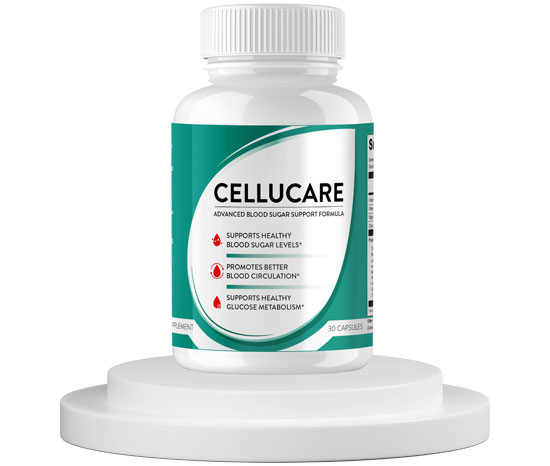
Last updated: November 2026 · Independent review · No testimonials, no paid placement
Looking for an honest CelluCare review? Most pages ranking for this product repeat the sales page. In November 2026 we opened the official CelluCare order page, read its Supplement Facts panel line by line, recorded the prices and the guarantee, and compared the formula with published research, mainly from the U.S. National Institutes of Health. We did not personally test the product, and we do not publish invented testimonials.
The short answer
CelluCare is a once-a-day capsule for blood sugar with a published label: four nutrients with stated doses (including 100 mcg of chromium) and a 528 mg blend of 13 plants, among them berberine, gymnema, cinnamon and bitter melon. Berberine is the best-studied of these, but trials used 900 to 1,500 mg a day, while the whole CelluCare blend is 528 mg shared by 13 ingredients. No trial of CelluCare itself has been published. If you take diabetes medicines, the combination could lower your glucose too far, so talk to your doctor first.
▶ Check today's price on the official website
Affiliate link: we may earn a commission at no extra cost to you.
Key takeaways
- CelluCare comes as capsules, 30 per bottle, taken once a day.
- The label lists vitamin C 90 mg, vitamin D 25 mcg, magnesium 20 mg and chromium 100 mcg, plus a 528 mg proprietary blend of turmeric, cocoa, berberine, gymnema, cinnamon, olive leaf, eleuthero, juniper, pine bark, bitter melon, banaba, butcher's broom and guggul.
- 13 plants share 528 mg, so berberine and the others are well below the doses used in studies.
- The same 15 ingredients are named, without doses, on the official page of AppaNail, a product sold for nails; CelluCare's label adds cocoa and banaba.
- Main safety points: diabetes medicines (risk of low blood sugar), blood thinners, thyroid medicine, pregnancy and kidney disease.
- Price verified on the official page: $158 for two bottles plus shipping, $207 for three and $294 for six with free US shipping, and a 60-day money-back guarantee.
Contents
- At a glance
- What it is
- Claims vs. what we verified
- Label Check table
- Ingredients, one by one
- Does it work?
- The research in detail
- Understanding blood sugar
- How a professional assesses it
- Medication interaction checker
- Practical self-care
- Is it right for you?
- Side effects
- Complaints
- Is it legit or a scam?
- How to trial it fairly
- Price, guarantee and refunds
- Where to buy safely
- Canada, UK and Australia
- Compared with similar products
- Evidence-based alternatives
- Pros, cons and verdict
- FAQ
CelluCare at a glance
- Format: capsules, 30 per bottle
- How it is used: one capsule a day
- Main claim: supports healthy blood sugar, circulation and glucose metabolism
- Label transparency: four nutrient doses published; 528 mg blend of 13 plants without individual amounts
- Guarantee: a 60-day money-back guarantee
- Seller: sold through the official website (getcellucare.com), with ClickBank as the retailer; distributed from Aurora, Colorado
- Pricing: $158 for 2 bottles plus shipping, $207 for 3, $294 for 6
- Our evidence rating: Weak; finished product untested; key ingredients under-dosed
What is CelluCare?
CelluCare is a dietary supplement in capsule form sold through an order page at getcellucare.com, presented by "Thomas Wilson" as a formula that supports blood sugar and weight management. We could not verify that person. The bottle is distributed by cellucarehq.com from 19655 E 35th Dr in Aurora, Colorado, an address also printed on other supplements sold online.
Named ingredients: Vitamin C, Vitamin D, Magnesium, Chromium, Turmeric, Cocoa bean extract, Berberine, Gymnema, Cinnamon bark, Olive leaf extract, Eleuthero, Juniper berry, Pine bark extract, Bitter melon, Banaba leaf, Butcher's broom and Guggul. The capsule is vegetable cellulose, with microcrystalline cellulose, magnesium stearate, stearic acid and silicon dioxide.
The same ingredients as AppaNail
The official page of AppaNail, sold for nail health, names the same 15 ingredients without doses. CelluCare's label adds cocoa and banaba and shows the amounts, which suggests a shared base formula sold under different names and claims.
How CelluCare is marketed, and what we could verify
The claim: CelluCare "naturally awakens the feedback loop responsible for blood sugar".
What we found: We found no study describing such a mechanism, and no trial of CelluCare. Some ingredients, mainly berberine and chromium, have modest evidence for glucose at higher doses than this formula can contain.
The claim: testimonials describing readings "consistently in the normal range".
What we found: Testimonials are chosen by the seller and cannot be verified. Readings can improve for many reasons, including diet and medicine changes.
The claim: a 4.98/5 rating from more than 2,000 reviews.
What we found: The rating appears only on the seller's page.
CelluCare Label Check: label vs. research
We read the Supplement Facts panel published on the official CelluCare page in November 2026. One capsule is one serving, and each bottle holds 30 servings.
| Ingredient | Per capsule | Typical amount in studies | Evidence for blood sugar |
|---|---|---|---|
| Chromium (picolinate) | 100 mcg (286% DV) | 200 to 1,000 mcg a day | Small, inconsistent |
| Vitamin D | 25 mcg (1,000 IU) | Varies | No benefit for glucose unless deficient |
| Vitamin C | 90 mg | Varies | Insufficient |
| Magnesium | 20 mg | 250 to 450 mg a day | Possible benefit if deficient; dose far below |
| Berberine | Part of 528 mg blend | 900 to 1,500 mg a day | Moderate at studied doses |
| Cinnamon (cassia) | Part of 528 mg blend | 1 to 6 g a day | Mixed |
| Gymnema, bitter melon, banaba | Part of 528 mg blend | Hundreds of mg to grams a day | Small or inconsistent |
| Turmeric, cocoa, olive leaf, eleuthero, juniper, pine bark, butcher's broom, guggul | Part of 528 mg blend | Varies | Little or none for glucose |
Typical study amounts are approximate ranges from published research summarised by NIH sources; they are not dosing advice.
What the numbers mean
Even if the whole 528 mg blend were berberine, it would be about half of the lower end of studied doses. Shared among 13 plants, the average is about 40 mg each.
CelluCare ingredients, one by one
Research on single ingredients is not proof that a finished product works, but it shows what is plausible and what is not.
Berberine
What it is: A compound from plants such as goldenseal and barberry. What the research shows: Meta-analyses report modest reductions in HbA1c and fasting glucose at 900 to 1,500 mg a day. Safety: Stomach upset and constipation; it affects liver enzymes that break down many medicines; not for use in pregnancy or breastfeeding.
Chromium
What it is: A trace mineral involved in insulin action. What the research shows: Small and inconsistent effects on glucose; the NIH Office of Dietary Supplements calls the evidence mixed. Safety: Generally safe at this dose; rare kidney and liver problems at high doses.
Gymnema, bitter melon and banaba
What they are: Traditional plants used for blood sugar in India and Southeast Asia. What the research shows: Small trials with variable results. Safety: All can lower blood sugar further with diabetes medicines; bitter melon should be avoided in pregnancy.
Cinnamon (cassia)
What it is: Common cassia cinnamon. What the research shows: Mixed results at gram doses. Safety: Contains coumarin, which can harm the liver at high intakes.
Guggul
What it is: A resin used in Ayurvedic medicine. What the research shows: No good evidence for glucose; a US trial found it did not lower cholesterol. Safety: May interact with thyroid medicine, blood thinners and hormone therapy, and can cause skin rash.
Juniper, butcher's broom, pine bark, olive leaf, eleuthero, turmeric and cocoa
What they are: Plants marketed for circulation, inflammation or energy. What the research shows: Little or no evidence for blood sugar at these amounts. Safety: Juniper should be avoided in pregnancy and kidney disease; butcher's broom may raise blood pressure; pine bark and turmeric may add to the effect of blood thinners.
Vitamins C and D, and magnesium
What they are: Common nutrients. Vitamin D and magnesium help glucose control only if you are deficient; the 20 mg of magnesium is far below studied amounts.
Dose transparency
CelluCare publishes more than most competitors, including the total weight of its blend. That total is what shows the herbs cannot reach research doses.
Does CelluCare work?
There is no published clinical trial of CelluCare. Its most promising ingredient, berberine, is present at a fraction of studied doses, and the rest have weak evidence for glucose. We would not expect a meaningful change in HbA1c from this formula, and it must not replace prescribed treatment.
The evidence in one line per ingredient
- Berberine: Moderate at 900 to 1,500 mg a day; far less here.
- Chromium: Small, inconsistent.
- Gymnema, bitter melon, banaba, cinnamon: Small or mixed.
- Other botanicals: Little or none for glucose.
- Vitamins C, D and magnesium: Help only if deficient.
What realistic results look like
Glucose readings change with meals, activity, sleep, stress and illness, so a supplement can easily be credited for changes it did not cause. The only reliable way to judge an effect is an HbA1c test before and after at least three months, ideally with no other changes.
▶ See the official price and guarantee
Affiliate link: we may earn a commission at no extra cost to you.
The research on blood sugar supplements, in detail
The NIH's National Center for Complementary and Integrative Health states that no dietary supplement can replace diabetes treatment, and that the evidence for most herbs and minerals sold for blood sugar is limited or inconsistent. The FDA has also warned about products sold online as natural diabetes remedies that contained hidden prescription drugs.
Berberine has the strongest data among plant compounds: meta-analyses of trials, mostly from China, report average reductions in HbA1c of about 0.5 to 0.7 percentage points at 900 to 1,500 mg a day, split into two or three doses. Cinnamon trials give mixed results, usually at 1 to 6 g a day. Chromium has small and inconsistent effects, mainly in people who may be low in it. Gymnema and bitter melon have small trials with variable results, and banaba, mulberry and guggul have very little human research for glucose.
Two problems recur in multi-ingredient products. First, a blend of many plants in one capsule or one millilitre leaves too little room for any of them to reach studied doses. Second, several of these ingredients can add to the effect of diabetes medicines and cause low blood sugar, so the safest use is always with a doctor's knowledge.
Understanding blood sugar, prediabetes and diabetes: the bigger picture
Blood sugar (glucose) is controlled mainly by insulin. When the body becomes resistant to insulin or makes too little of it, glucose rises. An HbA1c test, which reflects the average over about three months, defines the stages: below 5.7% is normal, 5.7% to 6.4% is prediabetes and 6.5% or above, confirmed on repeat testing, is diabetes.
Prediabetes often has no symptoms, which is why screening matters for adults with excess weight, a family history, high blood pressure or a history of gestational diabetes. Diabetes raises the risk of heart attack, stroke, kidney disease, eye damage and nerve damage, but good control of glucose, blood pressure and cholesterol greatly reduces these risks.
Warning signs that need a doctor
- Frequent urination, strong thirst, unexplained weight loss or blurred vision.
- Cuts or sores that heal slowly, or numbness and tingling in the feet.
- Symptoms of low blood sugar if you take diabetes medicines: shaking, sweating, confusion, fast heartbeat.
- Very high readings, vomiting or drowsiness, which need urgent care.
Myths and facts about blood sugar
- Myth: A natural supplement can replace diabetes medicine. Fact: No supplement has been shown to do this; stopping prescribed treatment can be dangerous.
- Myth: Prediabetes always becomes diabetes. Fact: In the Diabetes Prevention Program, lifestyle changes cut the risk of progression by 58%.
How a professional assesses blood sugar
A doctor usually orders an HbA1c and a fasting glucose test, and sometimes an oral glucose tolerance test. If diabetes is confirmed, a full assessment includes blood pressure, cholesterol, kidney function, an eye examination and a foot check. Treatment is then tailored: lifestyle changes, structured education, and medicines such as metformin or newer drugs that also protect the heart and kidneys. Anyone taking a supplement should mention it at these visits, because it can change readings and interact with treatment.
CelluCare medication interaction checker
| If you take | Relevant ingredient in CelluCare | What to do |
|---|---|---|
| Diabetes medicines (insulin, sulfonylureas, metformin and others) | Berberine, chromium, gymnema, bitter melon, banaba, cinnamon | Risk of low blood sugar; ask your doctor and monitor glucose |
| Warfarin and other blood thinners | Pine bark, turmeric, guggul | Ask your doctor; your INR may need checking |
| Thyroid medicine | Guggul | Ask your doctor |
| Cyclosporine, tacrolimus and other drugs broken down by liver enzymes | Berberine | Ask your doctor or pharmacist first |
| Blood-pressure medicines | Butcher's broom, olive leaf | Ask your doctor; blood pressure may change |
| Diuretics, or kidney disease | Juniper | Avoid unless your doctor agrees |
Practical self-care for healthy blood sugar
What helps regardless of supplements
- Aim for at least 150 minutes of moderate activity a week, plus a short walk after meals.
- If you are overweight, losing 5% to 7% of body weight lowers diabetes risk substantially.
- Build meals around vegetables, legumes, whole grains and lean protein; limit sugary drinks.
- Sleep 7 to 9 hours; poor sleep worsens insulin resistance.
- If you have diabetes, check your glucose as advised and keep a log to share with your doctor.
- Ask about a structured diabetes prevention or education program.
Is CelluCare right for you?
Skip it or ask a doctor first if any of these apply
- You take any diabetes medicine, blood thinner, thyroid medicine or blood-pressure medicine.
- You are pregnant, trying to conceive or breastfeeding; berberine, bitter melon and juniper should be avoided.
- You have kidney or liver disease.
- You are under 18.
- You have never had your blood sugar tested; get an HbA1c first.
It may be reasonable to consider if
- You have mildly raised glucose, take no interacting medicines, have discussed it with your doctor, and understand that the doses are below studied levels.
CelluCare side effects
We found no published safety study of CelluCare itself, so possible side effects come from its ingredients:
- Berberine: stomach cramps, diarrhoea or constipation.
- Gymnema, bitter melon, banaba, chromium: low blood sugar with diabetes medicines.
- Guggul: rash, stomach upset.
- Juniper: kidney irritation with long-term use.
- Butcher's broom: nausea, raised blood pressure.
How to report a side effect
- United States: the FDA's MedWatch program.
- Canada: the Canada Vigilance Program (MedEffect Canada).
- United Kingdom: the MHRA Yellow Card scheme.
- Australia: the Therapeutic Goods Administration.
- Always tell your doctor or pharmacist as well.
CelluCare complaints
Testimonials on the sales page are chosen by the seller, and complaints posted online usually cannot be verified. Based on the label and the page, these are the issues we would expect:
- No change in readings, which is consistent with the doses.
- Shipping charged on the 2-bottle package, the smallest option.
- Confusion with AppaNail, which names the same ingredients for a different purpose.
Is CelluCare legit or a scam?
CelluCare is a real product with a published label, a ClickBank checkout and a 60-day refund policy, so it is not a scam in the sense of taking money for nothing. Our concerns are the vague mechanism claims, doses below research levels, interaction risks for people with diabetes, and the same ingredient list being sold for nails under another name.
Marketing red flags to watch for
- Promises to replace or outperform diabetes treatment.
- Ratings and endorsements you cannot verify.
- "While stock lasts" pressure to buy six bottles.
How to trial CelluCare fairly
- Get an HbA1c and fasting glucose test first, and tell your doctor you want to try a supplement.
- Check the label with your pharmacist against all your medicines.
- Do not change prescribed treatment.
- If you take glucose-lowering medicines, check your glucose more often in the first weeks.
- Decide within the 60-day guarantee; a full HbA1c comparison needs about three months, longer than the refund window.
CelluCare price, guarantee and refunds
Price verified on the official page (November 2026). CelluCare comes in bottles of 30 capsules, taken one a day. The order page lists three packages:
| Package | Per bottle | Total listed | Shipping and extras |
|---|---|---|---|
| 2 bottles (60-day supply) | $79 | $158 | Plus shipping |
| 3 bottles (90-day supply) | $69 | $207 | Free US shipping; two e-books |
| 6 bottles (180-day supply) | $49 | $294 | Free US shipping; two e-books |
The page offers a 60-day money-back guarantee. The bonus e-books are titled "Learn How to Manage Diabetes" and "The Ultimate Tea Remedies". ClickBank processes the payment. Prices can change, so confirm the total at checkout.
How to request a refund
- Find your order number in the ClickBank confirmation email.
- Contact CelluCare support or ClickBank within 60 days of purchase.
- Return the bottles if asked, with tracked shipping.
- If you get no response, contact ClickBank support directly.
Where to buy CelluCare safely
Buy only from the official website or its authorised ClickBank checkout. Listings on Amazon, Walmart, eBay or in pharmacies are third parties that may be counterfeit, expired or stored badly, and are usually not covered by the guarantee.
How to spot an unofficial seller
- Websites that copy the official page and redirect to a different checkout.
- Prices far below the official price.
- No ClickBank receipt after payment.
Buying CelluCare in Canada, the UK or Australia
Free shipping applies to US orders of 3 or 6 bottles. For Canada, the United Kingdom or Australia, check the shipping cost at checkout and allow for import duties.
Canada
Natural health products sold in Canada normally carry an NPN licence; CelluCare is sold from the US and we found no Canadian licence.
The UK
Berberine products are not authorised as medicines in the UK; speak to your GP before using them with diabetes treatment.
Australia
Complementary medicines sold in Australia are listed with the TGA; we found no Australian listing for CelluCare.
CelluCare compared with similar products
We compare only products whose labels we have checked on their official pages.
| Product | Format | Doses published | Guarantee |
|---|---|---|---|
| CelluCare | Capsules | Nutrients yes; 528 mg herb blend hidden | 60 days |
| Berberine | See our review | See our review | See our review |
| GlycoMute | Capsules | No amounts published | 90 days |
| Sugar Defender | Liquid dropper | No, proprietary blend | 60 days |
How to compare any two products
- Is the full label with doses published?
- Do the doses match those used in research?
- Do any ingredients interact with your medicines?
- How long is the guarantee and who processes refunds?
- Does the marketing promise cures or fast results?
Evidence-based alternatives to CelluCare
| Option | Strength of evidence | Best for |
|---|---|---|
| Structured lifestyle program (such as the Diabetes Prevention Program) | Strong | Prediabetes and type 2 diabetes |
| Metformin | Strong | Type 2 diabetes; some people with prediabetes |
| Newer medicines prescribed by a doctor (GLP-1 receptor agonists, SGLT2 inhibitors) | Strong | Type 2 diabetes, especially with heart or kidney risk |
| Dietitian-led nutrition plan | Moderate to strong | Anyone with raised glucose |
| Glucose self-monitoring | Moderate | People on medicines or adjusting diet |
Pros, cons and our verdict
Pros
- Supplement Facts panel published, with nutrient doses and the blend total.
- One capsule a day.
- 60-day money-back guarantee through ClickBank.
Cons
- 13 herbs share 528 mg; berberine far below studied doses.
- Risk of low blood sugar with diabetes medicines and several other interactions.
- Same ingredients sold as AppaNail for a different purpose.
- Unverifiable creator and testimonials.
Our verdict
CelluCare is more transparent than most blood sugar supplements, and the transparency shows the problem: too many ingredients in too small a dose. It is unlikely to change HbA1c and could interfere with diabetes treatment. If you want to try berberine, discuss a single-ingredient product at a studied dose with your doctor; for most people, a structured lifestyle program and prescribed medicine do far more.
▶ Check the official CelluCare website and current pricing
Affiliate link: we may earn a commission at no extra cost to you.
Read our affiliate disclosure.
Frequently Asked Questions
Does CelluCare really work?
There is no published clinical trial of CelluCare. Its best-studied ingredient, berberine, is far below the 900 to 1,500 mg a day used in trials, because the whole herbal blend is 528 mg shared by 13 plants.
What are the ingredients in CelluCare?
Vitamin C 90 mg, vitamin D 25 mcg, magnesium 20 mg and chromium 100 mcg, plus a 528 mg blend of turmeric, cocoa, berberine, gymnema, cinnamon, olive leaf, eleuthero, juniper, pine bark, bitter melon, banaba, butcher's broom and guggul.
How much berberine is in CelluCare?
The label does not say. Berberine is one of 13 plants in a 528 mg blend, so it is far below the 900 to 1,500 mg a day studied for blood sugar.
Is CelluCare the same as AppaNail?
AppaNail's official page names the same 15 ingredients without doses; CelluCare's label adds cocoa and banaba and shows the amounts. They are sold for different purposes.
Is CelluCare safe?
It depends on your health and medicines. It can lower blood sugar further with diabetes medicines, and some ingredients interact with blood thinners, thyroid and blood-pressure medicines. Avoid it in pregnancy and kidney disease.
Can I take CelluCare with metformin?
Only with your doctor's approval. Berberine, chromium, gymnema and bitter melon can add to the effect of diabetes medicines; check your glucose more often and never stop prescribed treatment.
What are the side effects of CelluCare?
Possible side effects include stomach upset, constipation or diarrhoea from berberine, low blood sugar with diabetes medicines, and rash from guggul.
How do you take CelluCare?
The label says one capsule a day.
How much does CelluCare cost?
On the official page in November 2026: $158 for two bottles plus shipping, $207 for three and $294 for six, both with free US shipping.
What is the CelluCare refund policy?
The official page offers a 60-day money-back guarantee, processed through ClickBank.
Is CelluCare a scam?
It is a real product with a label and a refund policy. Our concerns are low doses, interaction risks and unverifiable claims.
Is CelluCare FDA approved?
No. The FDA does not approve dietary supplements.
Where can I buy CelluCare?
Through the official website and its ClickBank checkout. Marketplace listings are usually not covered by the guarantee.
Can CelluCare replace diabetes medicine?
No. No supplement has been shown to replace diabetes treatment, and stopping prescribed medicine can be dangerous.
Who should not take CelluCare?
People on diabetes, blood-thinning, thyroid or blood-pressure medicines without their doctor's approval, pregnant or breastfeeding women, people with kidney or liver disease, and anyone under 18.
What do CelluCare reviews leave out?
Most CelluCare reviews repeat the sales page. They rarely mention that 13 herbs share 528 mg, or that the same ingredients are sold as AppaNail.
When should I see a doctor about blood sugar?
See a doctor for frequent urination, strong thirst, unexplained weight loss or blurred vision, and get screened if you have risk factors such as excess weight or a family history.
Is there a better alternative to CelluCare?
For most people, a structured lifestyle program, weight loss where needed and medicines prescribed by a doctor have far stronger evidence.
How we reviewed CelluCare
We opened the official CelluCare page through our affiliate link in November 2026, recorded the ingredients, prices, guarantee and bonuses, and read any Supplement Facts panel published on the page. We compared the formula with research summarised by NIH's NCCIH, the NIH Office of Dietary Supplements and peer-reviewed meta-analyses. See how we review supplements and our editorial policy.
Sources & further reading
- NCCIH: Diabetes and dietary supplements
- NIH ODS: Chromium
- NIDDK: Diabetes
- FDA: Dietary supplements
- Diabetes Prevention Program Research Group. Reduction in the incidence of type 2 diabetes with lifestyle intervention or metformin. New England Journal of Medicine, 2002.
